
Exploring Seasonality
As we delve into the fascinating world of seasonality, we find ourselves at the cusp of understanding the intricate dynamics that shape our year. Together, we embark on a journey to explore the contrasts between early and late-year seasons, uncovering how these periods influence our environment, behaviors, and even our economies.
Early-Year Seasons
In the early part of the year, we often witness a burst of new beginnings, where nature awakens and our spirits are lifted by the promise of growth and renewal. This period is characterized by:
- Longer daylight hours
- Warmer temperatures
- Increased outdoor activities
- Economic stimulation due to new ventures and spending
Late-Year Seasons
Conversely, as the year winds down, we experience a different kind of transformation, marked by reflection and preparation for the coming year. This time is often associated with:
- Shorter daylight hours
- Cooler temperatures
- Indoor gatherings and festivities
- Economic impacts from holiday spending and year-end financial planning
Impacts of Seasonal Shifts
Through this exploration, we aim to uncover the subtle yet profound impacts of these seasonal shifts, examining how they dictate patterns in our lives and the world around us. By understanding these dynamics, we hope to gain deeper insights into the cyclical nature of time and its influence on our collective experience.
Early-Year Vibrance
As we welcome the new year, we often notice the vibrant burst of energy and renewal that accompanies the early months. This period, marked by seasonal changes, brings a sense of unity as we collectively experience the shift in environmental cycles.
Together, we watch as the days gradually lengthen and temperatures begin to rise, signaling a fresh start. These changes in nature echo in our communities, creating a shared anticipation for what lies ahead.
Our economic behaviors also align with these transformations. Retail sectors often see a spike as we embrace new beginnings, purchasing products that symbolize growth and rejuvenation. The early-year vibrance fuels consumer confidence, encouraging spending that boosts local economies.
We find ourselves planning and investing in activities that emphasize:
- Health
- Wellness
- Connection
These reflect our desire to be part of a thriving community.
As we navigate these cycles together, we’re reminded of the powerful bond that exists between us and the world around us.
Nature’s Awakening
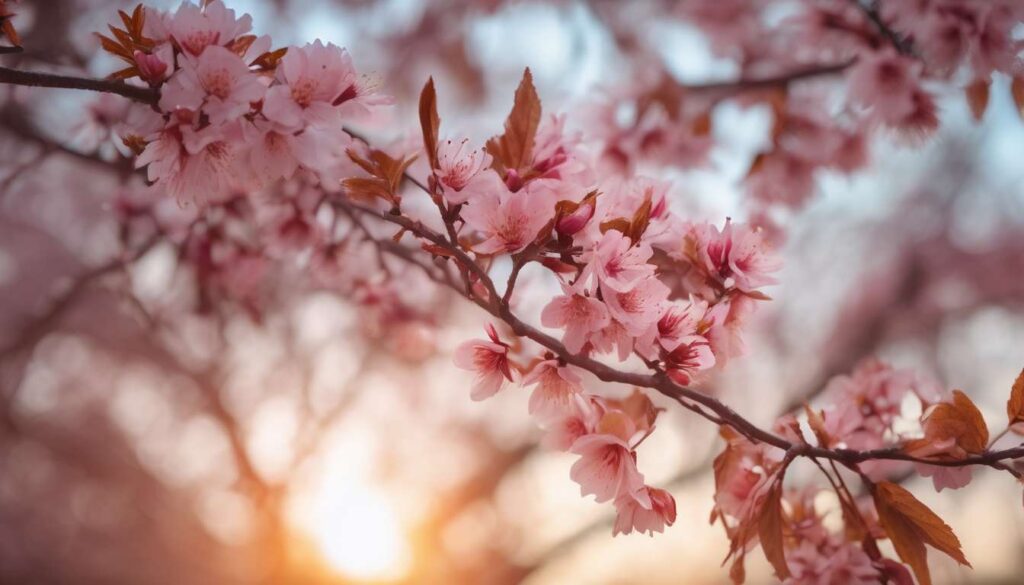
As nature awakens, we witness the blooming of flowers and budding of trees, signaling the vibrant resurgence of life. We find ourselves drawn to these seasonal changes, feeling a renewed connection to the world around us. Together, we cherish the beauty in the unfolding of environmental cycles, where the earth’s rhythms resonate with our own internal desires for renewal and growth.
In these moments, we observe how nature’s transitions influence not only our surroundings but also our economic behaviors. As the days lengthen and warmth returns, our activities shift to align with nature’s tempo.
Markets respond to the demand for seasonal goods, from fresh produce to outdoor essentials, reflecting a deeper connection between nature and our economic landscape.
We marvel at the intertwining of our lives with the natural world, feeling a part of something greater. Through this awakening, we embrace both the predictability and surprise of these cycles, knowing we belong to a community that values the harmony of life.
Late-Year Reflections
As the year draws to a close, we find ourselves reflecting on the intricate patterns that have shaped our journey and the world around us. Seasonal changes remind us of the continual environmental cycles that influence not just nature but our shared experiences and traditions. We feel a sense of connectedness, knowing that these cycles are a universal rhythm that binds us all.
In this late-year period, economic behaviors also undergo transformation. We observe shifts in spending as businesses and individuals prepare for festivities and year-end responsibilities. It’s a time when our collective actions resonate with the rhythms of the season, highlighting our role within these larger cycles.
Moreover, these reflections bring a sense of unity, as we recognize that our choices impact the environment and economy alike. Together, we embrace the lessons of the year gone by and look forward to building a more mindful and cohesive community. This shared understanding fuels our hope and determination for the future.
Transitioning Seasons
Seasonal Transitions and Their Impact
As we transition through the seasons, we notice the subtle shifts in weather and light that signal new beginnings and transformations in our daily lives. These seasonal changes are more than just variations in temperature; they weave into our routines and communities, creating a shared rhythm that binds us together.
Influence on Daily Life
Environmental cycles influence:
- How we dress
- The foods we crave
- The activities we enjoy
These changes foster a sense of unity as we adapt collectively.
Economic Behaviors
Our economic behaviors also reflect these transitions:
- Retailers adjust their inventories to match seasonal demands, offering warmth and coziness in winter, and vibrancy in spring.
- Farmers align their planting and harvesting schedules with these cycles, ensuring our tables are filled with fresh, seasonal produce.
Cultural and Community Impact
We find ourselves participating in traditions and celebrations that mark these changes, reinforcing our sense of belonging within our communities.
Embracing Seasonal Opportunities
Together, we embrace these transitions, understanding that each season brings its own unique opportunities and challenges, enriching our shared experiences.
Dynamic Environmental Influences
Every shift in weather patterns and natural phenomena influences how we interact with our environment and adapt our lifestyles. As we journey through the year’s seasonal changes, we find ourselves attuned to these dynamic environmental influences. Together, we adapt to the rhythm of environmental cycles, recognizing that certain patterns guide our routines.
Whether it’s planting gardens in spring or cozying up during winter, we share a collective experience that bonds us.
Seasonal changes shape our surroundings and affect our daily choices. We recognize that these shifts aren’t just about temperature; they influence everything from the food we eat to the activities we engage in.
Our shared understanding of these cycles fosters a sense of community and belonging, as we navigate them together.
While these changes subtly influence our behaviors, they also impact our broader economic behaviors. We adjust our consumption patterns and activities in response to these cycles, illustrating our collective adaptability and resilience.
Let’s continue embracing these changes, knowing we’re all in this together.
Economic Impacts and Behaviors
Seasonal Effects on Spending Habits and Economic Landscape
Different seasons have a direct impact on our spending habits and the overall economic landscape. Seasonal changes guide our collective economic behaviors, shaping how we allocate resources and prioritize our needs.
Winter:
- Investment in warmer clothing
- Increased spending on holiday gifts
- Boost in retail sales
- Invigoration of specific sectors
Summer:
- Uptick in travel and hospitality industries
- Increased spending on vacations and leisure activities
These patterns illustrate how environmental cycles influence our economic interactions and decisions.
Community and Economic Rhythms
Our shared experiences within these cycles create a rhythm that aligns our behaviors with the natural ebb and flow of the year. This connection fosters a sense of community as we collectively navigate the highs and lows of economic activity.
By understanding these dynamics, we can:
- Better anticipate shifts
- Adapt our strategies
- Support each other
This ensures that we thrive together through each seasonal transition.
Time’s Cyclical Influence
Time’s cyclical nature profoundly shapes our lives, influencing everything from daily routines to long-term planning. By understanding seasonal changes and environmental cycles, we can better navigate the world around us. Together, we embrace the rhythm of the seasons, finding comfort in the familiar patterns that guide us.
- As spring blooms, we feel a collective renewal.
- Autumn’s arrival signals reflection and preparation.
Our economic behaviors are also linked to these cycles.
Retailers anticipate holiday shopping surges, and farmers align their planting and harvesting with nature’s timetable. We adapt our spending and saving habits with these predictable shifts, recognizing their impact on our financial well-being.
Seasonal changes even affect our social interactions and community engagements.
- Summer festivals bring us together, fostering a sense of belonging.
- Winter’s quiet may encourage more intimate gatherings.
By recognizing and respecting the cyclical influence of time, we enhance our connection to the world and each other, creating a shared understanding and unity.
Unveiling Seasonal Patterns
We explore the intricate tapestry of seasonal patterns that influence our world, revealing their profound impact on nature, society, and the economy. Seasonal changes dictate the rhythm of our lives, guiding us through environmental cycles that shape the landscapes we call home.
As the earth tilts and orbits, we witness transformations that are both predictable and awe-inspiring. These patterns not only affect our immediate surroundings but also weave into the fabric of our societies, influencing cultural traditions and community gatherings that strengthen our sense of belonging.
In the realm of economic behaviors, seasonal patterns play a pivotal role.
- Agricultural cycles determine food availability and pricing.
- Retail industries anticipate shifts in consumer demand as holidays and weather changes approach.
We’ve learned to adapt, aligning our activities and economies with these natural cycles.
By understanding and embracing these patterns, we gain a deeper connection to our environment and each other, fostering a collective knowledge that supports our shared journey through time.
How do different cultures around the world celebrate seasonal changes?
We cherish the diverse ways cultures worldwide mark seasonal shifts.
Celebrations range from harvest festivals to solstice rituals, each reflecting unique traditions and beliefs. These events bring communities together, fostering a sense of unity and connection with nature.
Through songs, dances, and ceremonies, we honor the cyclical changes that shape our lives. These traditions serve as reminders of our shared humanity and the beauty of cultural diversity.
What role does climate change play in altering traditional seasonal dynamics?
Climate change significantly impacts traditional seasonal dynamics by altering temperature patterns and precipitation levels. This can lead to:
- Shifts in growing seasons
- Changes in animal migrations
- Alterations in overall ecosystem health
As a result, many communities have had to adjust their:
- Agricultural practices
- Cultural traditions
- Daily routines
We must work together to address these changes and protect our environment for future generations.
How do animals adapt their behavior and migration patterns in response to seasonality?
Animals adapt behavior and migration patterns based on seasonality, adjusting to changes in weather, food availability, and daylight hours.
Adaptation Strategies:
- Migration: Some species migrate to warmer regions during winter.
- Hibernation: Others choose to hibernate.
- Food Storage: Some animals store food to ensure survival during scarce times.
These adaptations help them survive in different conditions.
Lessons for Humans:
Watching how animals navigate these challenges can teach us valuable lessons about resilience and cooperation in our own lives.
Conclusion
As you observe the early and late-year dynamics of seasonality, embrace Nature’s vibrant awakening and reflective transitions. Notice the environmental influences shaping behaviors and economies throughout the cyclical passage of time.
By unveiling these patterns, you gain a deeper appreciation for the interconnectedness of seasonal changes and the impact they have on our world.
Stay curious, stay observant, and let the rhythms of the seasons guide your understanding of the ever-changing natural world.